
This article is part of Guides to Off-Market Selling in our Resource Center.
Often, yes. In many cases you can sell your house before a foreclosure sale in Kansas City, as long as the sale closes in time and the price covers what the lender is owed. When a sale pays the lender in full through the title company before the foreclosure sale, the foreclosure should be stopped, and whatever is left after the payoff comes to you. Once the house is sold at auction, that equity is usually gone. This article is general information, not legal advice; deadlines depend on your loan and your case, so confirm yours with a HUD-approved housing counselor or an attorney. The only real question is how many days you have, and that depends on which side of the state line you live on. If you are holding a sale date, call (816) 844-6224 now and read the rest while we pull the numbers.
The short answer: selling early gives you the most options
A foreclosure is the lender’s way of collecting a debt. If the debt gets paid off first, there is nothing left to foreclose. That is what a pre-foreclosure sale aims to do. The buyer’s money goes to the title company, the title company sends the full payoff to your lender, and the lender should instruct its trustee or attorney to cancel the sale.
What people get wrong is the deadline. Many owners assume that once they receive a notice of default or a lawsuit, the house is already lost. It is not. Waiting until the last days before a sale is risky, because a closing needs time for the payoff and title work, and the rules after a sale differ between Missouri and Kansas. The earlier you act, the more of your equity survives, because missed payments, interest and legal fees pile onto the payoff every week you wait.
How long does foreclosure take in Missouri? (Kansas City, Independence, Raytown, Blue Springs, Lee’s Summit, Liberty)
Most Missouri home loans use a deed of trust, and most Missouri foreclosures are handled outside of court by a trustee rather than through a lawsuit. That generally means the process can move faster than in Kansas. Your documents and your servicer’s notices control your actual timeline.
- The first months: Federal servicing rules generally keep most lenders from starting foreclosure until a loan is more than 120 days past due. During this window you will get late notices, a demand or breach letter, and loss-mitigation paperwork. This is the cheapest time to sell.
- Notice of sale: The trustee publishes and mails a notice of sale that lists the sale date, time and location.
- Trustee sale: Once a notice is published, the sale can be only weeks away. Treat the date on your notice as the deadline that matters.
- After the sale: Rights after a Missouri sale are limited and depend on the details of your case. Ask an attorney rather than counting on them.
- Shortfall: If a foreclosure sale brings less than you owe, you may still owe the difference. Ask an attorney how this applies to you.
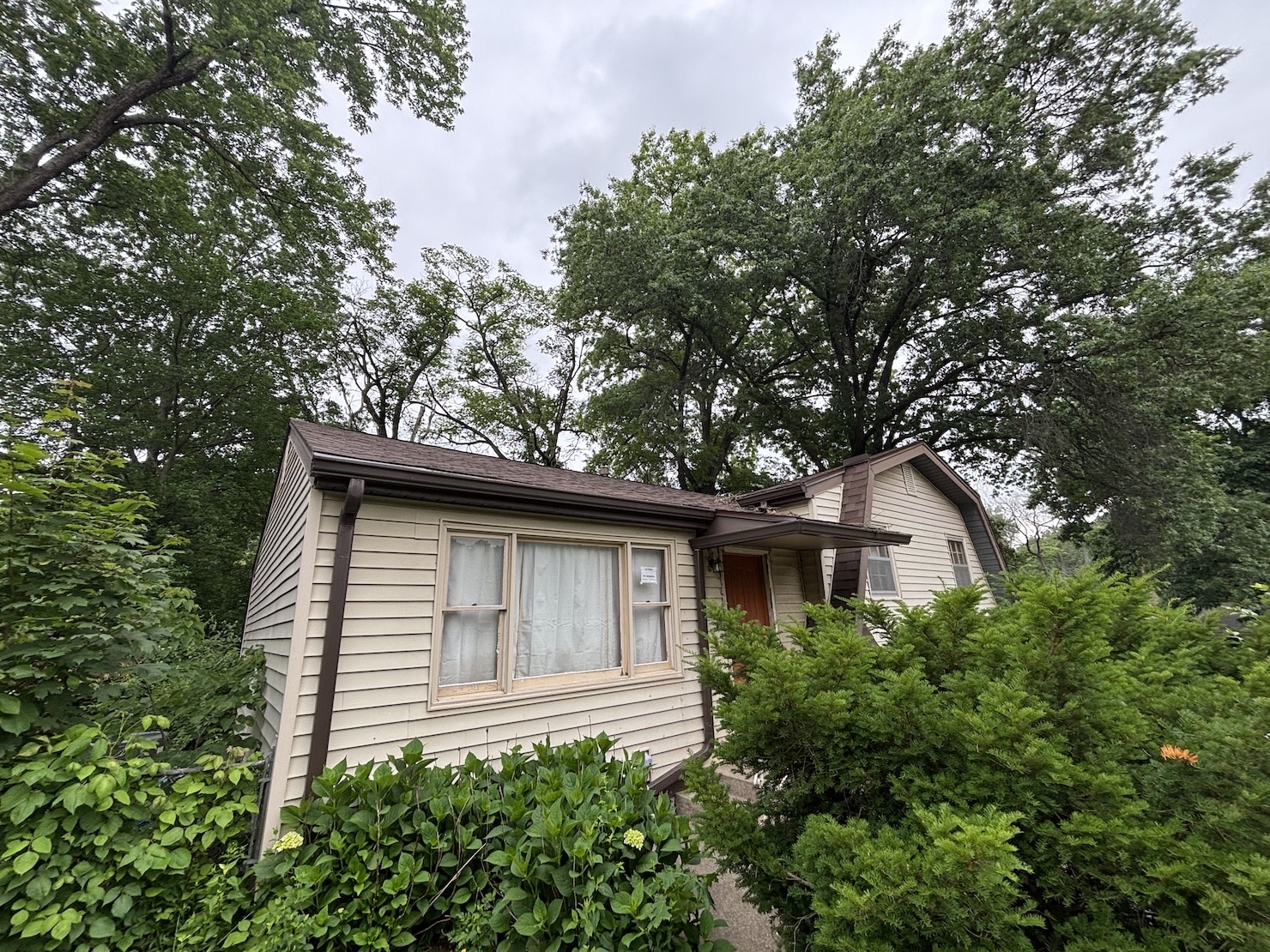
Kansas foreclosure timeline (Overland Park, Olathe, Kansas City KS)
Kansas foreclosures generally go through the courts. The lender files a lawsuit and gets a judgment before a sheriff sale. That usually takes longer than in Missouri, which can give a seller more time, but the details depend on your case.
- Lawsuit served: The lender files a case and you are served. The papers include a deadline to respond. Do not ignore them; talk to an attorney about that deadline right away.
- Judgment and sheriff sale: If the lender gets a judgment, the court can order a sheriff sale, which is advertised before it happens. The time from filing to sale varies from case to case.
- After the sale: Kansas may allow a period after the sheriff sale in some cases. Whether it applies and how long it lasts depends on your case, so ask an attorney.
- Shortfall: You may still owe money if the sale brings less than the judgment. Ask an attorney how this applies to you.
Missouri vs Kansas at a glance
- How the sale happens: Missouri, usually a trustee sale outside of court. Kansas, usually a court case and a sheriff sale.
- Speed: Missouri generally moves faster, and a published notice can mean the sale is only weeks away. Kansas generally takes longer.
- After the sale: limited in both states and depends on your case. Do not count on it.
- Owing a shortfall: possible in both states. A sale that pays the loan in full before the foreclosure sale avoids a foreclosure shortfall on that loan; ask an attorney about anything else you may owe.
The practical takeaway: a Missouri owner holding a published notice should act this week. A Kansas owner who was just served may have more time, but every month adds interest and fees to the payoff, so the earlier you get real numbers, the more options you keep.
Will you walk away with money? Run the equity math
Whether a sale makes sense comes down to one comparison: what the house will net at closing versus what the lender is owed on the day you close. The payoff is not just your loan balance. It includes every missed payment, accrued interest, late fees, escrow advances for taxes and insurance, and the lender’s legal and trustee costs, which grow once foreclosure starts. Ask your servicer for a written payoff statement with a good-through date.
On the other side of the ledger, when you sell directly to a cash buyer there is often no agent commission, and you should ask which closing costs the buyer pays, in writing. A listed sale pays a commission and seller costs out of the price and can take months you may not have. The full fee breakdown is in our post on the cost to sell a house in Kansas City, so here is just the foreclosure version.
Worked example: a Raytown house, 35 days from the sale
Numbers are rounded and illustrative. Your payoff will be on your statement, and your offer will be in writing.
- Loan balance: $120,000
- Five missed payments at about $1,300: $6,500
- Late fees, interest, escrow advances, trustee and attorney fees: $4,000 to $6,000
- Total payoff to stop the sale: roughly $131,000 to $133,000
- What the house would list for after repairs: about $190,000, but it needs a roof and the sale is in five weeks
- Written cash offer, as-is, closing before the sale date: $160,000
- Net to the seller after payoff and prorated taxes: roughly $26,000 to $28,000
Change one number and the picture changes. If that same house carried a $165,000 balance, the payoff would be over the cash offer and a regular sale would not clear the debt. That owner needs a short sale or a loan modification, not a cash buyer, and we will tell you that when we see the payoff. Equity is what makes a pre-foreclosure sale work, and most owners who have been in the house more than a few years have it.
How a pre-foreclosure cash sale works with Best Offer KC
Speed matters, but so does doing it in the right order. Here is the process when an owner calls us with a sale date.
- Payoff first. You sign an authorization so the written payoff can be requested from your lender or the trustee’s attorney, good through the planned closing date. This tells both of us whether the sale can clear the debt.
- Information and access. We will explain what information and access we need before preparing an offer. No repairs and no showings.
- A written offer. The number, the closing date, and any contingencies are in writing before you sign, and we explain how we reached it.
- Close at the title company. On a date agreed in writing, based on the payoff and title work. The title company prepares the closing and sends the payoff to the lender, and your proceeds come to you at closing.
- Confirm the sale is cancelled. The title company sends proof of payoff to the trustee (Missouri) or the lender’s attorney (Kansas). Ask for written confirmation that the sale has been cancelled or the case dismissed, and keep it. Do not rely on a phone call.
If the sale date is very close, call us and a HUD-approved housing counselor right away. Some lenders will consider postponing a sale when there is a signed contract and a scheduled closing, so that request should go in as soon as you sign. The lender decides, and we cannot promise it will agree.
When selling is not the right move
If you want to keep the house and can afford a payment once things are caught up, call your servicer before you call us. Many loans have loss-mitigation options, and a HUD-approved housing counselor can help you ask for them.
- Repayment plan or forbearance: the missed amount is spread over future payments or paused for a set period. Best for a temporary income loss that has already ended.
- Loan modification: the lender changes the rate, term or balance to make the payment affordable. It can take weeks to months, and in some cases the foreclosure may pause while a complete application is under review. Ask your servicer.
- Short sale: the lender agrees to accept less than the balance from a sale. Necessary if the house is worth less than you owe. Slow, and the lender has to approve the buyer’s price.
- Bankruptcy: can affect a foreclosure, with long credit consequences. Talk to a bankruptcy attorney, not a house buyer, about this one.
Free help before you decide anything: HUD-approved housing counselors in Missouri and Kansas will review your options at no charge and can talk directly with your servicer. Call the HUD housing counseling line at 800-569-4287 or the Homeowner’s HOPE Hotline at 888-995-4673 (888-995-HOPE) to be matched with a local agency. Anyone who charges you a fee for the same conversation is not helping you.
Need to stop the foreclosure but cannot move yet? Sell and stay
Some owners have the equity to sell but no place to go in 30 days: a parent who has lived in the house for decades, a family mid-school-year, a seller waiting on a job start. For some of those sellers, Best Offer KC may be able to offer a sell-and-leaseback. It is not automatic. Whether it is available and on what terms is decided case by case and put in writing before you decide. If it fits, the sale pays off the lender like a normal cash purchase, any remaining equity is paid to you at closing, and you rent the house back for an agreed period at an agreed monthly rent, with the move-out date written into the lease.
It works when the house has enough equity to clear the payoff, when the rent is realistic for your budget after the mortgage is gone, and when there is a defined end date. It does not work when the payoff is close to the house’s value, or when the rent would simply replace one unaffordable payment with another. We will tell you which case you are in before you sign anything.
Red flags in foreclosure “rescue” offers around Kansas City
A published notice of sale is public record, and within days of publication you will get letters, texts and door knocks. Most are ordinary investors. A few are not. Walk away from anyone who:
- Asks for an upfront fee to negotiate with your lender, stop the sale, or “process” an offer.
- Wants you to deed the house to them while you keep making payments, or promises to rent it back and sell it back to you later for a fee. You lose the title and often the house.
- Offers to “take over your payments” with no payoff at closing. Your name can stay on the loan, a foreclosure can still happen if they stop paying, and you may have little control.
- Drops the price the week before the sale date, knowing you have no time to find another buyer. Read how to protect yourself in don’t let a buyer drop the price after you agree to sell.
- Keeps pushing the closing back until the sale date is on top of you. Our post on when a cash buyer keeps delaying closing covers what that looks like and how to get out of it.
Legitimate buyers close at a title company, pay the lender in full, put the price in writing, and are happy to show proof of funds. If a buyer resists any of those four things, that is your answer.
What to do now, by where you are in the process
Missed 1 to 3 payments
Call the servicer and ask for a loss-mitigation application. Decide honestly whether you can afford the house once caught up. If not, this is the stage where selling nets the most, because the payoff has not started growing with legal fees. We can give you a written offer so you can compare it to the servicer’s options with real numbers.
Received a demand or breach letter
The letter gives a cure date, usually 30 days out. Request a written payoff and get your offer in the same week. In Missouri, a published notice may not be far behind. Selling before a foreclosure sale may help you avoid a completed foreclosure, but missed payments may already be on your credit, and how a sale affects your credit depends on your situation. A HUD-approved housing counselor can walk you through it.
Notice of sale published (Missouri) or lawsuit served (Kansas)
Missouri owners: the sale may be only weeks away. Call us with the sale date and the trustee’s name from the notice. We get the payoff requested, explain what information and access we need, and tell you whether a closing before the sale is realistic. Kansas owners: talk to an attorney right away about the deadline to respond to the lawsuit, then get your offer. You may have more time, but the amount owed keeps growing.
Sale date within two weeks
Call today, not tomorrow. We will tell you honestly whether a closing before the sale date is realistic, and a postponement request can go to the trustee or lender’s attorney as soon as a contract is signed. If the payoff exceeds what any buyer would pay, we will say so and point you to the counselor line or a bankruptcy attorney, because a stopped sale matters more than a sale to us.
We buy on both sides of the state line. See we buy houses in Kansas City, MO, we buy houses in Independence, and we buy houses in Raytown, or skip the reading and request your free cash offer with your address and sale date. Best Offer KC will tell you plainly whether the numbers work. Call (816) 844-6224.

